The best indoor activities for 5 year olds keep hands busy and bodies moving: building with blocks, pretend play, art, movement games, puzzles and simple games, sensory play, cooking and stories. Each idea below comes with what it builds, what you need, and a tip for running it with a group, so it works at home, in a daycare or in a kindergarten classroom.
Plan around what children this age can do. According to the CDC's milestones for 5-year-olds, most children by age 5 follow rules and take turns in games, tell a simple story, count to 10, hop on one foot, and pay attention for 5 to 10 minutes during activities like story time or arts and crafts. Short activities that change every 10 minutes or so fit that attention span.
Indoor Activities at a Glance
| Activity | What it builds | What you need |
|---|---|---|
| Building challenges | Counting and planning | Blocks or magnetic tiles |
| Pretend play | Storytelling, new words, taking turns | Play kitchen, dress-up clothes, empty food boxes |
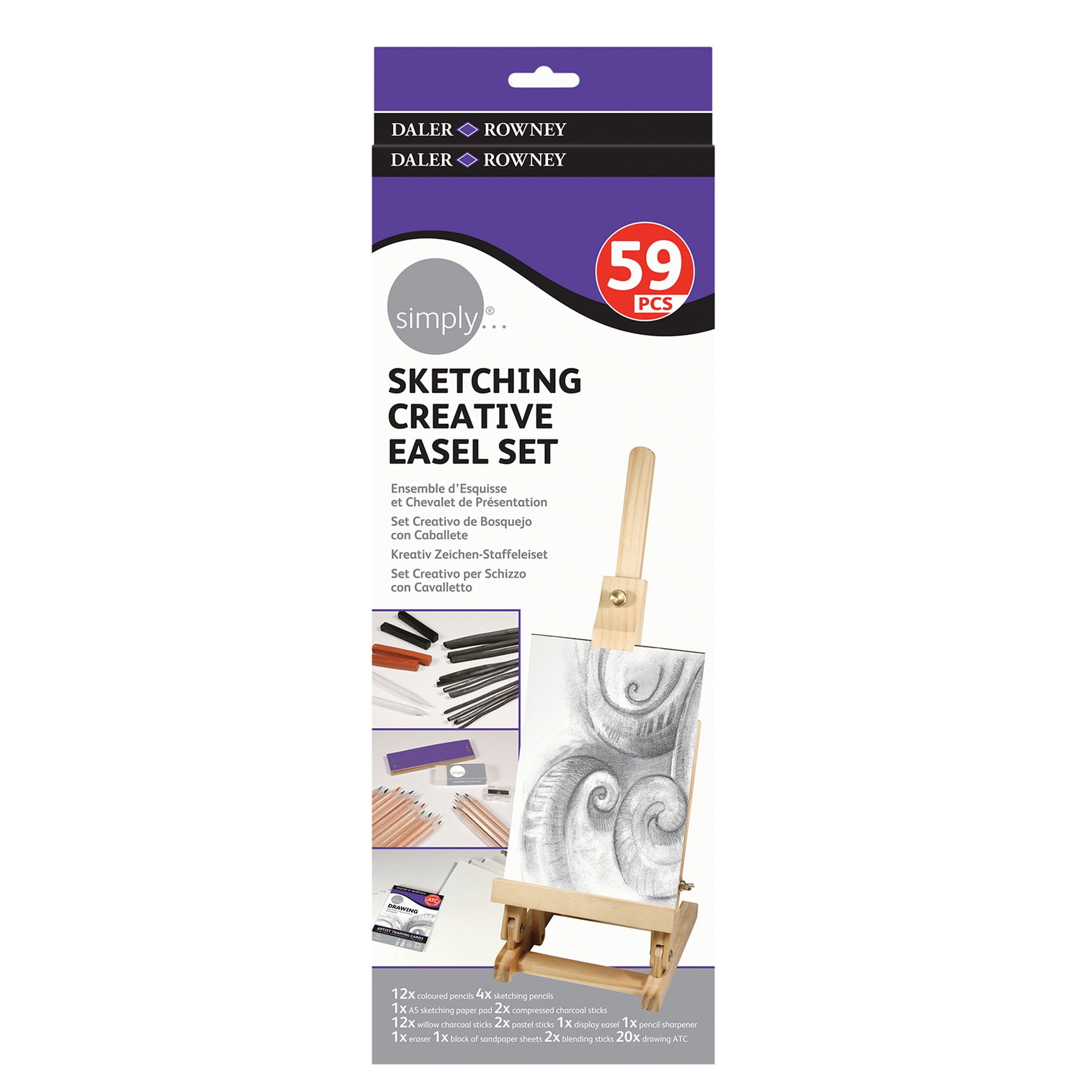
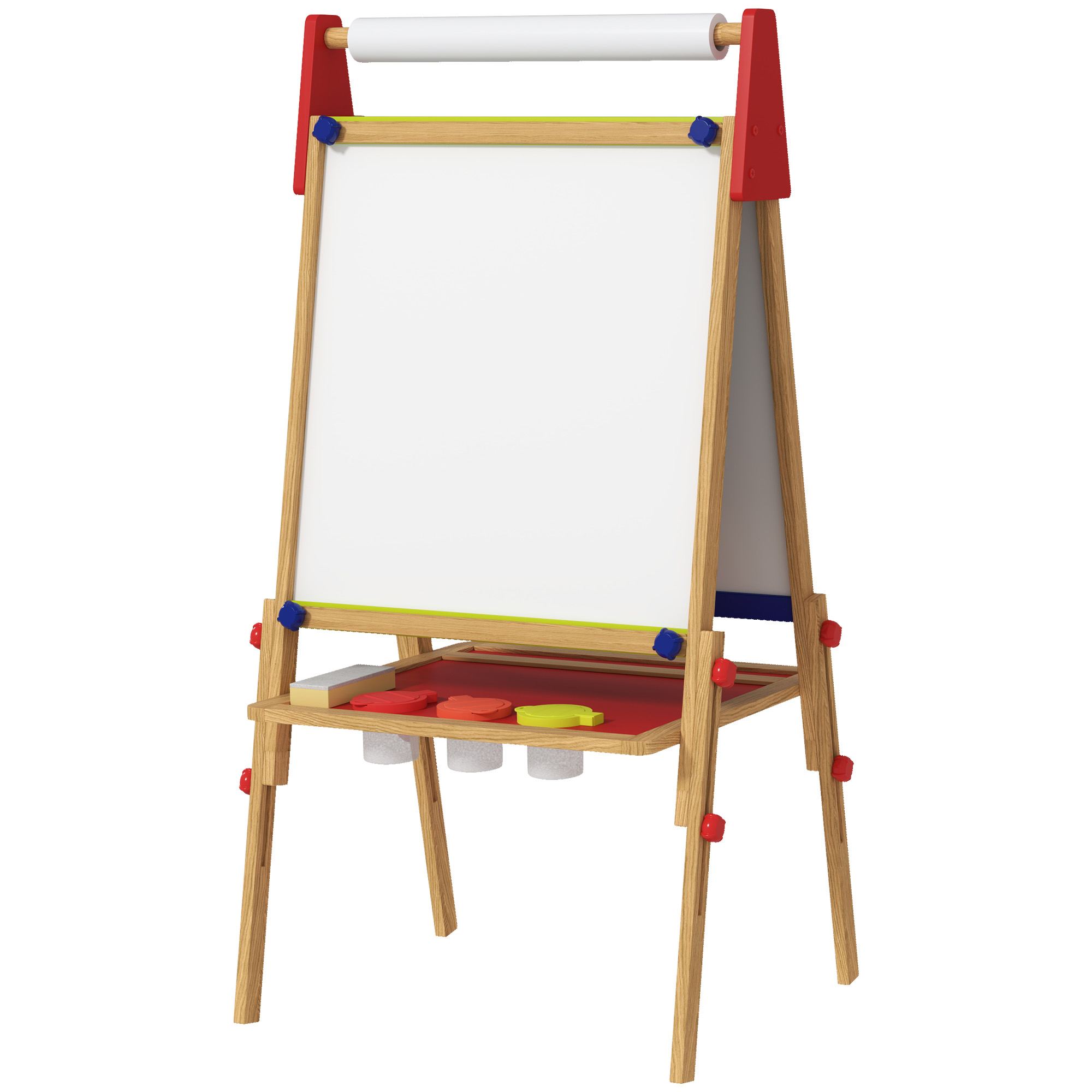
| Art at the easel | Hand strength for writing | Easel, paper, washable paint, crayons, child scissors |
| Movement games | Balance and following rules | Music and painter's tape |
| Puzzles and games | Memory, attention, waiting for a turn | Floor puzzles, a deck of cards, a simple board game |
| Sensory play | Pouring, scooping and describing | A bin, dry rice or water, scoops and cups |
| Helping in the kitchen | Measuring and following steps | Measuring cups and a bowl |
| Story time | Listening and retelling | Picture books |
Building Challenges
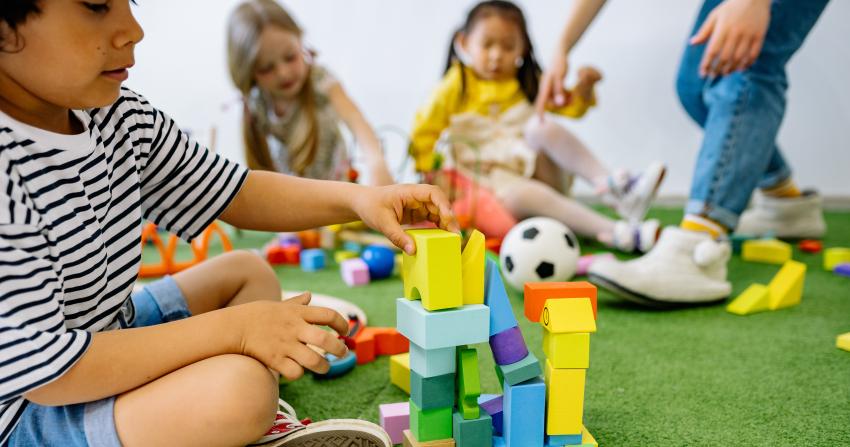
Blocks and magnetic tiles turn into towers, bridges, garages and houses, and a 5-year-old can plan a build before starting it. The CDC suggests toys children put together, such as puzzles and building blocks, and asking "Why?" and "How?" about what they make.
- Build the tallest tower you can from exactly 10 blocks, counting each one.
- Build a bridge a toy car can drive under.
- Copy a simple shape or picture from a card.
- Make a house for a stuffed animal, with a door that opens.
What it builds: counting, shapes, planning and hand control.
What you need: wooden or foam blocks, magnetic tiles, or clean cardboard boxes and tape.
Group tip: split the pieces into one bin per pair of children and give every pair the same challenge, so no one waits for blocks.
Check magnetic tiles before each use and throw away any tile that is cracked. The Consumer Product Safety Commission warns that swallowed magnets can attract each other inside the body, and it has recalled magnetic building sets over that risk. Our review of magnetic tiles and building blocks covers what to look for in a set.
Pretend Play
By 5, pretend play often has a plot. Children hand out roles, make up rules and act out a story with a beginning and an end. Telling a story with at least two events is one of the CDC's milestones for this age, and the CDC suggests giving children props to play dress-up, school or house.
- Run a restaurant: one child cooks at the play kitchen, one takes orders, one pays.
- Play grocery store with empty food boxes and a toy cash register.
- Set up a doctor's office for stuffed animals.
- Play school, with the children taking turns as the teacher.
What it builds: storytelling, new words, sharing and taking turns.
What you need: a play kitchen, dress-up clothes, empty food boxes, and paper for menus and signs.
Group tip: set a timer and switch roles when it rings, so everyone gets a turn at the favorite job.
Art at the Easel or Table
Art lets a 5-year-old practice the hand control that writing needs. Writing some letters of their own name is one of the CDC's milestones at 5, and the CDC suggests keeping a box of crayons, paper, paint, child scissors and glue on hand for creative play.
- Paint a self-portrait, then write your name on it.
- Make a collage from magazine pictures, fabric scraps and leaves.
- Paint to music and change colors when the song changes.
- Trace your hands and turn the shapes into animals.
What it builds: hand strength for writing, colors and shapes, and making choices.
What you need: an easel or table, paper, washable paint, crayons, child-safe scissors and glue.
Group tip: talk about the process ("You mixed blue and yellow. What happened?") instead of judging the finished picture.
Movement Games
A 5-year-old needs to move indoors too. The CDC's physical activity guidelines say children ages 3 to 5 should be active throughout the day, and hopping on one foot is one of the CDC's milestones at 5. Movement games save rainy days and days that are too hot or too cold for outside play. Our guide to outdoor play temperatures covers when to keep children inside.
- Freeze dance: dance while the music plays, freeze when it stops.
- Simon Says with hops, spins and balancing on one foot.
- A painter's tape hopscotch or balance line on the floor.
- Animal walks across the room: bear crawl, frog jump, crab walk.
- An obstacle course with pillows to climb over and a table to crawl under.
What it builds: balance, coordination, listening and following rules.
What you need: music, painter's tape, pillows and bean bags.
Group tip: a game with one clear rule, like Simon Says, lets a whole group play at once. Push chairs to the walls first.
Puzzles and Simple Games
Following rules and taking turns in games is a milestone at 5, according to the CDC, and its tips for this age include simple board games, card games, I Spy, Hot and Cold, and rhyming games such as "What rhymes with cat?"
- Floor puzzles with big pieces
- Memory match with a deck of cards
- I Spy or Hot and Cold around the room
- Rhyming games
- A picture scavenger hunt: find something red, something soft, something round
What it builds: memory, attention and waiting for a turn.
What you need: floor puzzles, a deck of cards, a simple board game and a list of things to find.
Group tip: play in groups of three or four so turns come around quickly.
Sensory Play
Sensory bins, water play and play dough give children something to pour, scoop, squeeze and describe. They also work well as a quiet station while other children do something louder.
- A bin of dry rice or pasta with scoops, cups and toys hidden to dig for.
- Water play with funnels and cups, on a towel.
- Play dough with rollers and cookie cutters.
- A texture hunt for things that are bumpy, smooth, soft or scratchy.
What it builds: pouring and scooping control, and words to describe what they feel.
What you need: a large bin, fillers like dry rice or water, scoops, cups and funnels.
Group tip: set out one bin for every two or three children, with a sheet or towel underneath for spills.
If toddlers share the room, leave out small fillers and hidden toys. Federal toy rules ban small parts in toys for children under 3 because of the choking risk, and the same caution applies to small fillers.
Helping in the Kitchen
Cooking with an adult gives a 5-year-old real jobs: washing, measuring, pouring and stirring. The CDC suggests letting children help prepare healthy food and do things for themselves, like pouring water into a cup, even when the result is not perfect.
- Wash fruit and vegetables for snack.
- Measure and pour the dry ingredients for muffins.
- Spread and stack simple sandwiches.
- Set the table and clear it afterward.
What it builds: counting and measuring, following steps in order, and doing things independently.
What you need: measuring cups and spoons, a mixing bowl, a sturdy step stool and a picture recipe.
Group tip: give each child one job, such as washing, stirring or setting out cups, and keep knives and the stove for adults.
Story Time
By 5, most children can answer simple questions about a story after hearing it, according to the CDC, which also suggests letting children "read" a book by looking at the pictures and telling the story.
- Read a book, then ask what happened first and what happened next.
- Let the child "read" a picture book to you.
- Act out a favorite story with a few props.
- Make up a new ending together.
What it builds: listening and retelling a story in order.
What you need: picture books and a comfortable spot on the floor.
Group tip: keep group reading to about 10 minutes and stop every few pages to ask one question.
Choosing Toys for Indoor Play
A few sturdy, open-ended toys cover most of the activities above. When you shop, look for:
- Many uses: blocks, magnetic tiles, play kitchens and easels can be used for years in different ways.
- The right age label: check the age on the box, especially in a room with younger children.
- Enough pieces to share: for a group, a bigger set of tiles or blocks cuts down on waiting and arguing.
- Adjustable height: an easel or table that adjusts grows with the child.
- Easy storage: low shelves and bins let children get toys out and put them away on their own.
Below are recent deals from Gazoobie on toys that fit these activities, such as magnetic tiles and building blocks, easels, play kitchens, and Montessori and sensory toys. For more choices, browse more toy deals on Gazoobie.