The equipment you need to open a daycare falls into eight groups: furniture and room setup, nap, feeding and kitchen, diapering and hygiene, safety and first aid, learning and play, outdoor play, and office and records. Your state's licensing rules set the minimum for several of them, such as cribs, fire extinguishers, first aid kits and space per child, so read those rules before you buy anything.
Start with the checklist below. Each group then gets a short section with the rules that apply, using the Texas standards for child care centers as a worked example.

Daycare Equipment Checklist
| Category | What to have | Licensing check (Texas example) |
|---|---|---|
| Furniture and room setup | Child-size tables and chairs, low open shelves, cubbies, bins, rugs, an adult rocker or chair | Age-appropriate seating and tables, and low shelving children can reach |
| Nap | Cribs for infants, cots or mats for older children, fitted sheets, name labels | Cribs meet federal crib standards; cots and mats are waterproof or washable |
| Feeding and kitchen | High chairs, child-size dishes and utensils, labeled bottles and cups, food storage, a refrigerator | Safety straps on high chairs, fastened every time |
| Diapering and hygiene | Changing table, gloves, wipes, lidded diaper pail, step stools, cleaning supplies | A handwashing sink in each diaper-changing area |
| Safety and first aid | First aid kits, fire extinguishers, smoke and carbon monoxide detectors, outlet covers, emergency lights | Monthly extinguisher inspections and smoke detector tests, written down |
| Learning and play | Blocks, books, art supplies, dramatic play props, puzzles, music, sensory bins | Enough popular items that children are not forced to compete for them |
| Outdoor play | Climbing equipment, safety surfacing, sandbox, shade, riding toys | Resilient surfacing under climbing equipment, slides and swings |
| Office and records | Computer, locking file cabinet, sign-in sheet or app, emergency contact binder, inspection logs | Dated records of each extinguisher inspection and detector test |
Start With Your State's Licensing Rules
A home daycare and a center can face different equipment lists, even in the same state. Texas, for example, publishes a separate set of minimum standards for each type of child care permit.
Space shows how much the numbers vary. The Texas minimum standards for child care centers require at least 30 square feet of indoor activity space for each child you are licensed to serve, and 80 square feet of outdoor space for each child using the play area at one time. Connecticut law sets 35 square feet of indoor space per child for centers licensed after January 1, 1986.
Find your own state's licensing agency and rules in the federal National Database of Child Care Licensing Regulations, and read the rules for your permit type before you buy. If you are still at the planning stage, our guide to starting a daycare center covers licensing, naming and setup in order.
Furniture and Room Setup
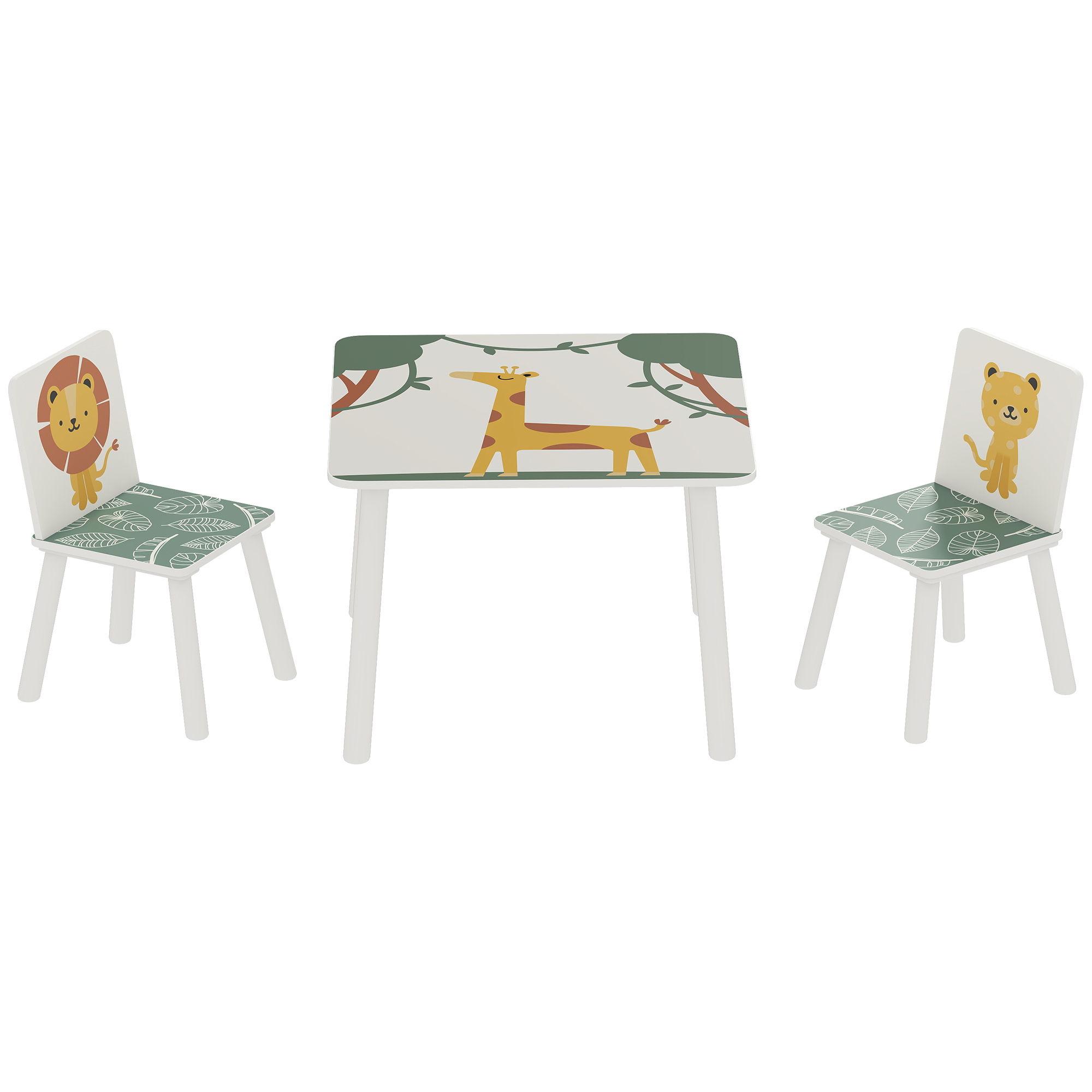
Buy furniture sized for the children who will use it. Texas requires age-appropriate seating and tables for toddlers and preschoolers, plus containers or low shelving so children can get materials on their own. Preschool rooms in Texas also need interest centers, such as dramatic play, block building, books, science and nature, art and music, and sensory play, arranged so caregivers can see what every child is doing.
- Child-size tables and chairs for each age group
- Low, open shelves and labeled bins
- Cubbies or hooks for each child's belongings
- Washable rugs for circle time
- An adult-size rocker or chair in the infant room (Texas requires one)
- A soft, quiet corner for books
Anchor every bookshelf, cubby unit and dresser to the wall. The Consumer Product Safety Commission's Anchor It campaign advises anchoring all furniture with drawers, doors and shelves to prevent tip-overs, and Texas requires televisions to be anchored so they cannot tip. If you use a toy chest with a hinged lid, Texas requires a lid support that holds the lid open in any position, ventilation holes, and no latch that could trap a child inside.
Nap and Rest Equipment
Every crib in a child care program must meet the federal crib standards (16 CFR 1219 for full-size cribs and 1220 for non-full-size cribs). The Consumer Product Safety Commission's crib guide for child care providers says these standards have applied to child care facilities and family child care homes since December 28, 2012, and that you cannot tell whether a crib complies by looking at it. Ask the seller for a Certificate of Compliance, and do not use, resell or donate an older crib that does not meet the standard.
Texas adds its own crib rules. Each crib needs a firm, flat mattress that fits snugly and is made for that crib model, no added foam or pads, a snug sheet, and no more than 2 3/8 inches between slats. Each non-walking infant younger than 12 months needs an individual crib, labeled with the infant's name, or with a number and an assignment map kept on hand. Infants go to sleep face up, and an infant who falls asleep in a swing, bouncy seat or car seat must be moved to a crib unless a health care professional has signed a sleep exception.
For walking children through age four, Texas requires an individual cot, bed or mat that is waterproof or washable, labeled for each child. Floor mats must be marked so the sleeping side is never the floor side.
- Cribs that meet 16 CFR 1219 or 1220
- Fitted crib sheets, plus spares
- Cots or mats for older children
- A labeled bag or bin for each child's blanket
- Name labels or a numbered crib map
Feeding and Kitchen Supplies
What you need depends on whether you prepare meals or families send food. Either way, plan for:
- High chairs or low feeding tables for infants and young toddlers
- Child-size plates, bowls, cups and utensils
- Bottles and training cups labeled for each child
- Bibs and washcloths
- Food storage containers and a refrigerator with a thermometer
- A place to wash and sanitize dishes
- Trash cans with lids
Texas requires safety straps on high chairs, swings, strollers, infant carriers and bouncer seats, fastened whenever an infant is in them. Toddler bottles and training cups must be labeled with the child's name or otherwise assigned to one child, cleaned and sanitized between uses, and never carried around or taken to bed. If you plan to cook on site, ask your licensing agency and local health department what kitchen equipment they expect before you buy appliances.
Diapering and Hygiene
Texas requires a diaper-changing table or surface with a smooth, non-absorbent top that is easy to clean, kept away from where children play and eat. When a child is on a raised changing surface, a safety feature such as raised sides must be in use, or the caregiver must keep a hand on the child or stay facing the child within arm's length. Each diaper-changing area needs its own handwashing sink, placed so the caregiver can still supervise the group.
- Changing table with raised sides
- Disposable gloves, wipes and table liners
- A lidded, hands-free diaper pail
- Soap and paper towels at every sink
- Step stools or platforms for adult-height sinks and toilets
- Spare clothes for each child
- Cleaning and disinfecting supplies, locked away from children
Texas does not require child-size toilets and sinks, but if children use fixtures that are too high for them, they need anchored steps or a broad platform with a non-slip surface.
Safety and First Aid
In Texas, a center needs a fire-extinguishing system (sprinklers, fire extinguishers or both) approved by the state or local fire marshal. Extinguishers hang on the wall with the top no higher than five feet and the bottom at least four inches off the floor, and the director or a designee inspects them monthly and records the date and who checked. Centers also need a working smoke-detection system, tested monthly and logged, and, unless it is in a qualifying school building, a working carbon monoxide detection system. Each classroom needs emergency lighting or battery-powered lights in case the power goes out.
Around the rooms, Texas requires childproof covers or safety outlets on outlets within reach of children younger than five, decals at children's eye level on sliding glass doors, fans and heaters mounted out of reach or guarded, and bottle warmers kept where children cannot get to them.
Each first aid kit in a Texas center must hold a first aid and emergency care guide, adhesive tape, antiseptic solution or wipes, adhesive bandages, scissors, sterile gauze pads, a thermometer (preferably not glass), tweezers, and waterproof disposable gloves, with nothing expired. Keep a complete kit in each building, on field trips and in every vehicle that transports children. It must be clearly labeled, kept clean, stored in a set place every employee knows, and kept out of children's reach.
- First aid kits for each building, vehicle and field trip bag
- Mounted fire extinguishers
- Smoke and carbon monoxide detectors
- Battery-powered emergency lights
- Outlet covers, cabinet locks and safety gates
- A posted evacuation map in every room
Security cameras are optional in most states. Our daycare security camera guide covers how many you need and where they can and cannot go.
Learning and Play Materials
Stock enough of the popular items that children are not waiting or fighting over one toy. Texas writes that into its toddler and preschool rules. Rotate toys in and out rather than putting everything on the shelves at once.
- Blocks and building sets
- Books for each age group
- Crayons, paper, washable paint and child-safe scissors
- Play kitchen, dress-up clothes and dolls
- Puzzles and simple games
- A speaker, shakers and scarves for music
- Sensory bins and scoops
- Rattles, soft books and activity mats for infants
Match toys to the youngest child who can reach them. According to the Consumer Product Safety Commission, toys with small parts are banned for children under 3, and some toys with small parts made for older children must carry a choking-hazard warning. In a mixed-age room, keep toys labeled for ages 3 and up on shelves toddlers cannot reach. Texas also requires play materials to be free of sharp or rough edges and toxic paint, and bans toys that explode or shoot things, such as caps, darts and BB guns.
Outdoor Play Equipment
Texas requires resilient surfacing in the use zone, the area under and around equipment where a child could fall, for climbing, rocking, rotating, bouncing and moving equipment, slides and swings. Loose-fill surfacing includes sand, pea gravel, shredded wood and shredded rubber, and the height of the highest play surface sets how deep it must be. Equipment must be anchored to the manufacturer's specifications. Climbing equipment, swings and inflatables cannot sit on asphalt or concrete unless it is covered with properly installed unitary surfacing, such as rubber tiles, mats or poured-in-place rubber.
Some equipment is off limits in Texas centers. Children under five may not use free-standing arch climbers, fulcrum seesaws, log rolls, spiral slides with more than one full turn, or track rides, and children under four may not use horizontal ladders or overhead rings. Trampolines are banned for all ages except small ones, less than four feet across and no more than 12 inches above a resilient surface.
- A climbing structure sized for your age groups
- Safety surfacing under and around it
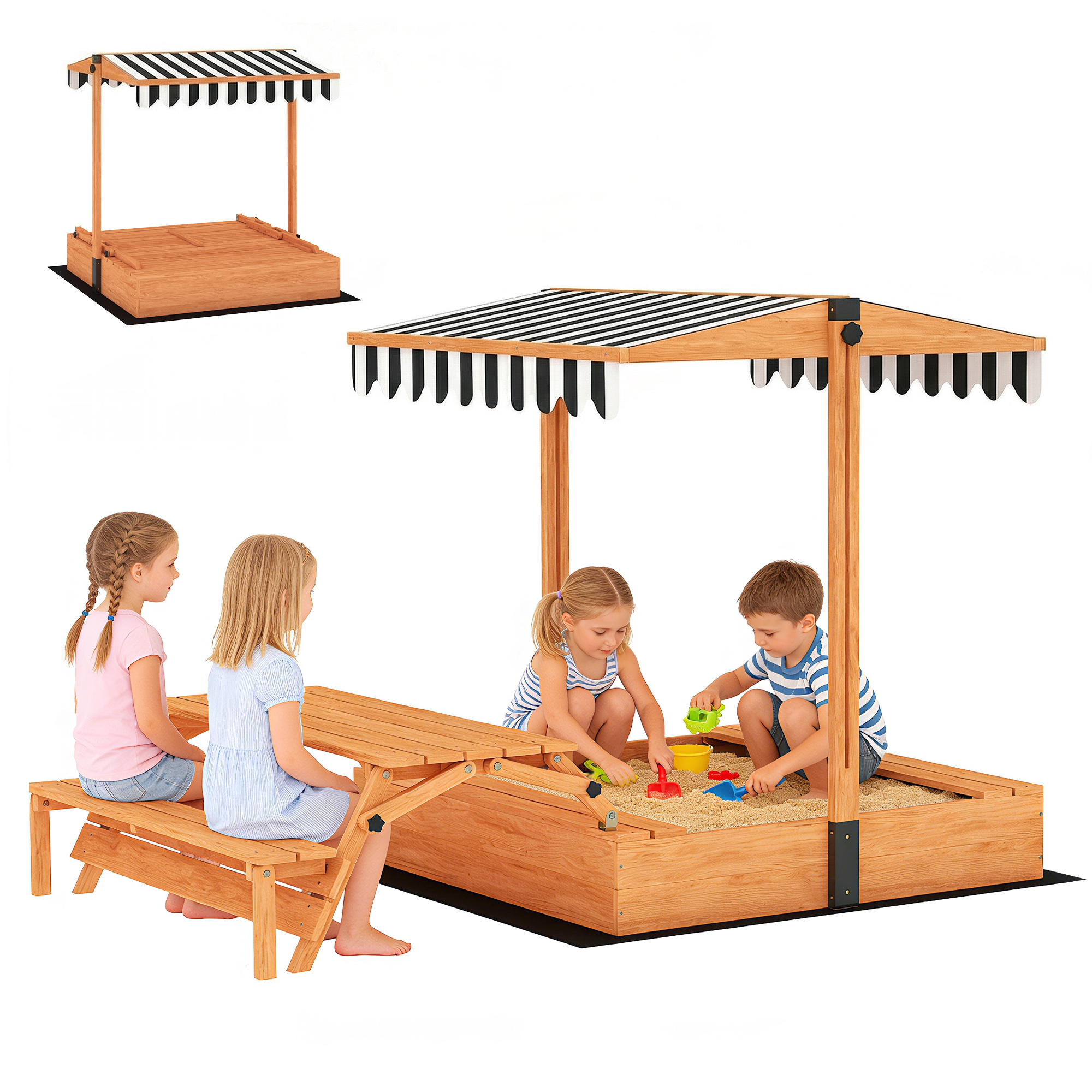
- A sandbox with a cover
- Shade from trees, a canopy or a shade sail
- Tricycles and a riding path
- Balls, hoops and sidewalk chalk
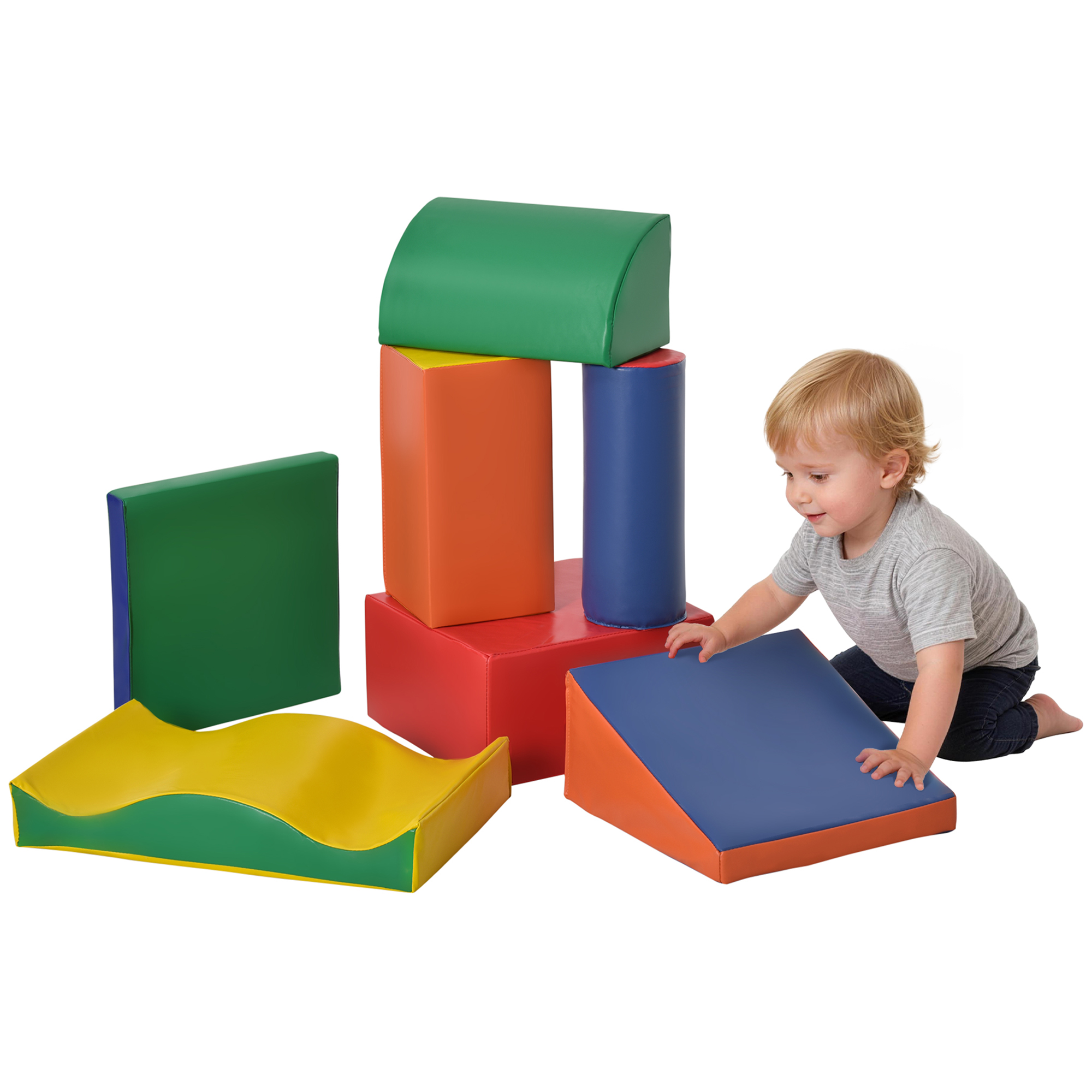
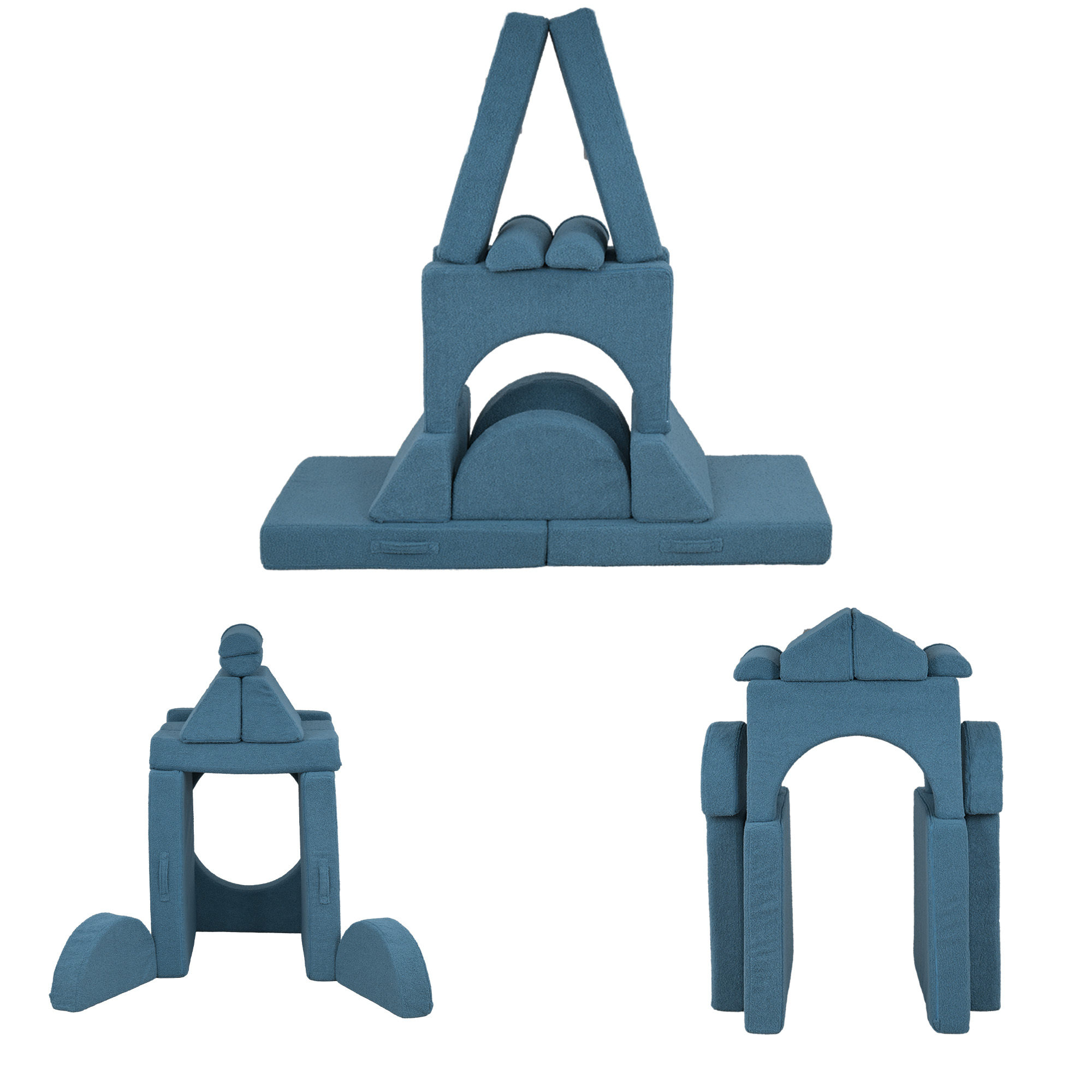
Weather matters too. Our guide to outdoor play temperatures covers when it is too hot or too cold to take children outside. For bad-weather days, foam climbing blocks and soft play sets give toddlers a place to climb indoors.
Below are recent deals from Gazoobie on classroom furniture and play equipment, such as soft play and climbing sets, sandboxes, toy storage and kids' tables. Prices change often, so the deals are priced as of the date shown under them. For more options, browse more toy and play equipment deals on Gazoobie.